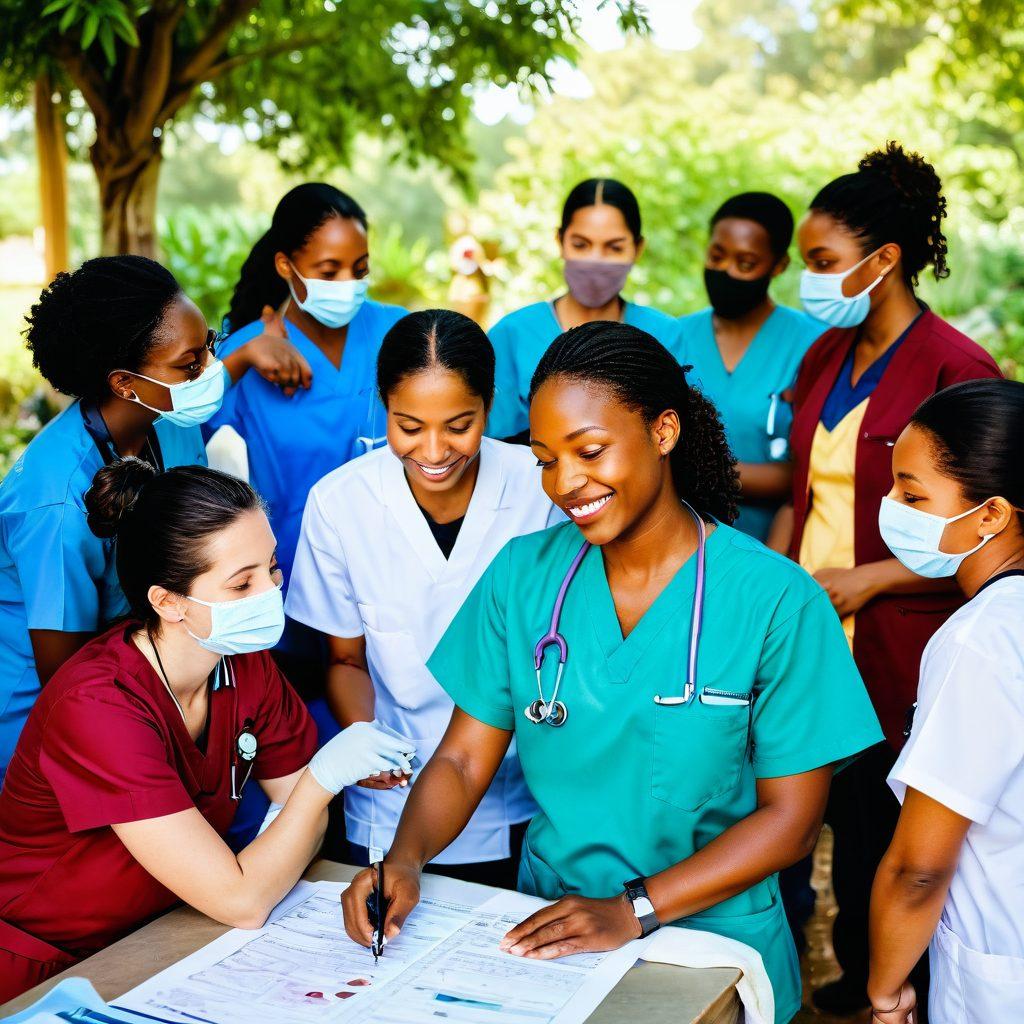
Healing the World: How Medical Professionals are Transforming Lives Through Humanitarian Aid
Imagine a world where medical help is just a heartbeat away, even in the most dire circumstances. This vision becomes a reality through the tireless work of charitable organizations like Doctors Without Borders. Known globally for their humanitarian aid efforts, this nonprofit organization provides crucial medical assistance to those trapped in conflicts, disease outbreaks, and natural disasters. Their commitment to health services transcends borders, highlighting the profound impact that medical professionals can have on global health. But what drives these dedicated doctors and nurses to put themselves in harm's way to save lives?
Doctors Without Borders, or Médecins Sans Frontières (MSF), is more than just an organization; it is a powerful movement focused on providing emergency healthcare and disaster response in some of the world’s most challenging environments. Picture this: a remote village struggling to combat a deadly outbreak of cholera, where the local healthcare system has crumbled. With the arrival of MSF's team, hope emerges amidst despair. Each medical intervention they provide not only treats the sick but revitalizes the community’s spirit. As one volunteer aptly put it, 'In desperate times, humanity shines the brightest.' How often do we witness the extraordinary resilience of both those receiving and giving aid?
Health interventions by Doctors Without Borders are meticulously planned and executed, with a clear focus on community health. They don’t just deliver healthcare services; they change the very dynamics of how health systems operate in conflict zones and impoverished areas. Their comprehensive approach includes mobilizing local resources, training healthcare workers, and tailoring services to the specific needs of the communities they serve. This model reinforces the importance of global health equity, reminding us that every person, regardless of their circumstances, deserves access to medical care. Isn’t it heartening to know that every effort, no matter how small, contributes to a larger movement?
Furthermore, volunteer opportunities with Doctors Without Borders allow medical professionals to merge their skills with a humanitarian mission. Imagine stepping into a role where your expertise can save lives, from performing surgeries in war-torn regions to providing maternal health services in refugee camps. For many volunteers, these experiences are not just career shifts; they are life-changing journeys that foster personal growth and a deepened understanding of human rights advocacy. Many former volunteers recount transformative stories that redefine their perspectives on life, compassion, and the human condition. How can one remain unchanged after witnessing the depths of human vulnerability and resilience?
Finally, the work of Doctors Without Borders serves as a beacon of hope and philanthropy in a world often riddled with challenges. Their unwavering commitment to delivering medical charity, regardless of race, religion, or political affiliation, exemplifies the essence of humanitarianism. Each life saved and each community restored demonstrates the monumental effect that organized, compassionate medical assistance can have in reshaping societies. As individuals, we are called to reflect on our roles in these aid initiatives—how can we contribute to this global transformation? Can our actions today, no matter how small, create ripples of change for tomorrow?
From Crisis to Care: How Medical Professionals Deliver Emergency Healthcare
In a world often overshadowed by chaos and crisis, the spirit of humanity finds its way through the dedicated efforts of medical professionals who are delivering emergency healthcare where it is most needed. Imagine a scene where a doctor, weary from long hours, lovingly tends to a child affected by a natural disaster or a conflict zone. This is not just a dream but the real work of organizations like Doctors Without Borders, a shining beacon of hope embodying the essence of humanitarian aid and charitable organization principles. Their unwavering commitment transforms lives, bringing essential health services to the front lines of suffering and despair.
Emergency healthcare is not merely a profession for these medical professionals; it's a calling fueled by compassion. Every time they deploy their skills in disaster response or health interventions, they engage in a mission rooted in humanitarian values. It’s a race against time, where each moment counts, and the stakes are lives. Have you ever wondered what it feels like to be that lifeline—a person who provides critical medical assistance in times of crisis? This is the reality for countless volunteers who answer the call of duty and make the ultimate sacrifice to serve others, reminding us that in adversity, the best of humanity shines through.
The impact of medical charity extends far beyond the immediate medical assistance provided; it resonates deeply within communities, helping to rebuild lives and restore hope. For instance, established nonprofit organizations work tirelessly to not only offer emergency health services but also empower communities through health education and social services. This holistic approach exemplifies the belief that global health is a shared responsibility. Just as a gardener cultivates a garden, these professionals nurture the seeds of resilience within communities, fostering an environment where health can thrive despite challenging circumstances.
A key aspect of delivering emergency healthcare lies in the commitment to human rights advocacy; every person has the right to accessible healthcare, regardless of their situation. In torn communities, this principle can fuel transformation and change perception. How can we as a society support these efforts? By understanding the role of humanitarian aid and the importance of donating time, resources, or funds to medical organizations, we contribute to amplifying their impact. Every act of philanthropy, no matter how small, restores hope and reinforces the transformative nature of collective effort. It highlights how each of us can be part of a larger solution, bridging the gap of need and care.
Lastly, volunteering with organizations that provide international relief offers opportunities not just for professional development but for personal growth. As a volunteer, you step into diverse cultures, witness resilience, and develop an intimate understanding of the challenges faced by those in crisis. Whether you’re a medical student or a seasoned healthcare practitioner, getting involved offers a unique chance to enhance your skills while making a profound difference. These aid initiatives remind us that helping others is not just about the immediate care we provide, but about fostering a global community united by compassion and solidarity. As such, your involvement can help pave the way for a healthier, more equitable world.
Compassion in Action: The Role of Nonprofits in Transforming Community Health
When we think about compassion, what usually comes to mind? Perhaps a friend helping you when you’re down, or a stranger lending a hand in times of need. But if you take a step back and look at how compassion unfolds on a global scale, you begin to realize the extraordinary impact of nonprofit organizations dedicated to humanitarian aid. One such organization is Doctors Without Borders, a beacon of hope that sends medical professionals into the heart of crises around the world. As you read on, imagine how the work of these individuals not only brings immediate relief but also transforms entire communities, all while promoting human rights advocacy and health services for the underserved.
Imagine for a moment a small village struck by an unforeseen disaster. Within hours, a team of dedicated volunteers from a medical charity arrives, equipped with knowledge and compassion. Their mission goes beyond offering medical assistance; they aim to restore a sense of dignity and hope through their humanitarian aid initiatives. But how do these charitable organizations like Doctors Without Borders create such profound changes in community health? It’s about more than just providing emergency healthcare in times of crisis; it’s about sustainable health interventions that address underlying issues affecting community health.
Statistics reveal that countless people worldwide lack access to essential healthcare services, and that’s where the importance of nonprofit organizations really shines. By emphasizing global health, these organizations tap into a wellspring of compassion and collaboration. They forge partnerships with local healthcare providers and create educational programs that empower communities. This harmonious blend of philanthropy and on-ground reality helps to ensure that aid is not a temporary fix, but a longer-lasting solution that strengthens the very fabric of community health.
Have you ever wondered why some people choose to volunteer for international relief efforts? The answer often lies in a deep-seated desire to make a meaningful impact on the lives of others. Not only do these medical professionals provide invaluable medical assistance during the most critical times, but they also create avenues for personal growth and crucial understanding of global health disparities. Each volunteer opportunity serves as a reminder that while we might come from different backgrounds, the human essence of compassion unites us. The narratives shared by these volunteers highlight a common truth: true change often begins with a single act of kindness.
Ultimately, the role of charitable organizations in healthcare extends far beyond just providing medical help; it encompasses the richness of community engagement and long-haul collaboration. As we reflect on the tireless efforts of medical professionals and nonprofits in transforming lives, the question remains: how can you contribute to this wave of compassion in action? Whether you support local initiatives, engage in advocacy, or even consider stepping into the realm of volunteer opportunities, remember that every little effort counts in making a significant difference in community health.